

High stakes
Nevada obtains extended ban on Kalshi offering event contracts

CFTC sues to assert exclusive jurisdiction, as NJ hands Kalshi a win.
Kentucky sends prediction market reform bill for final approval.
Australia to impose strict gambling ad limits from 2027.
Maltese cross: Altenar files an antitrust suit against Sportradar.
Yaspa is an award-winning fintech delivering personal intelligence through instant payments. Powered by open banking and AI, Yaspa’s Intelligent Payments combine Pay by Bank transactions with verified customer insights to protect players and power safer gambling. The platform also provides a full suite of payment and account verification services, using pan-operator financial insights and bank-grade security to reduce friction and fraud, strengthen compliance and improve payments performance. Yaspa operates across the UK, Europe and the US, and is regulated by the UK’s Financial Conduct Authority.
Learn more at www.yaspa.com
Counter strike
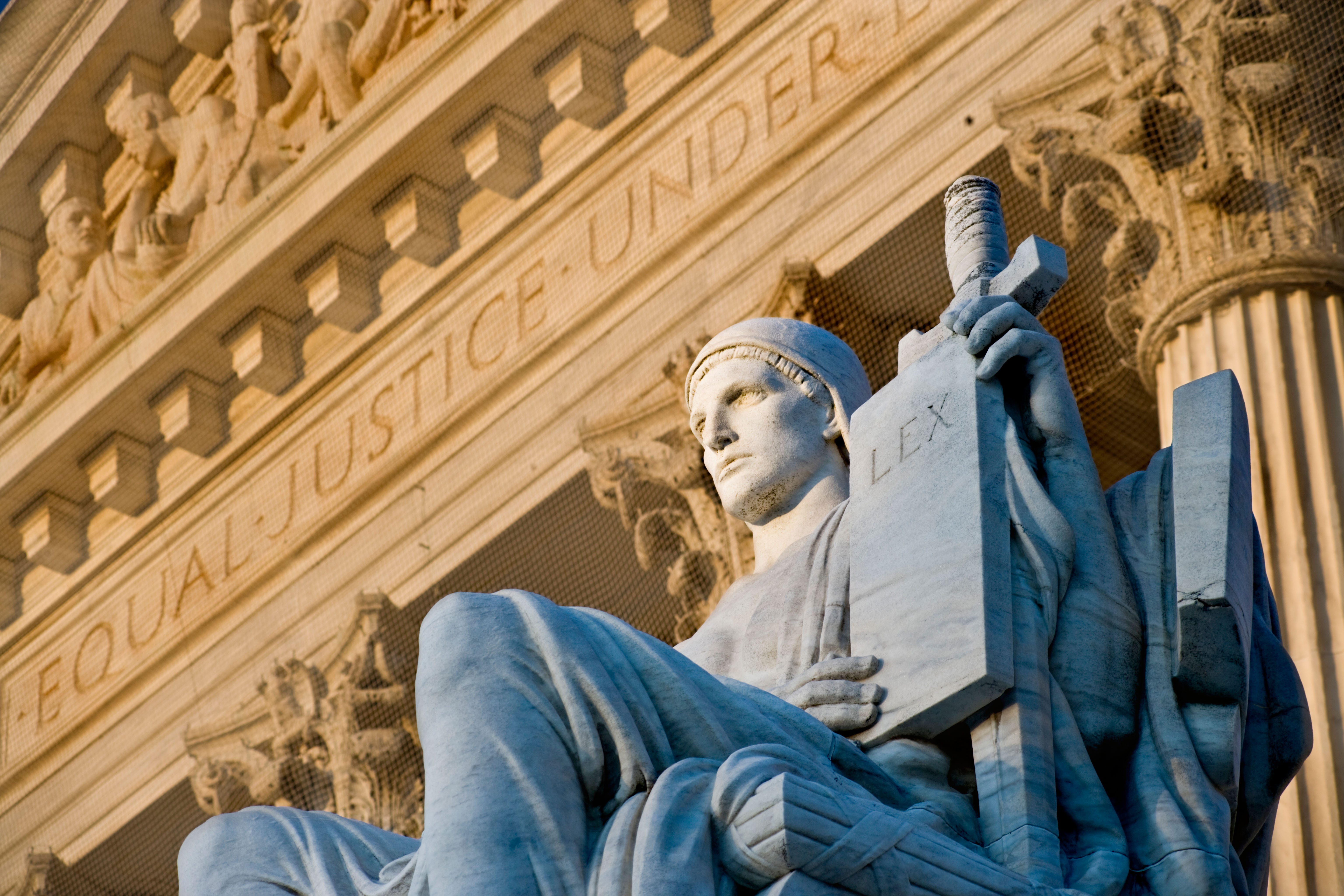
Torn supremacy: As the Trump administration pursues lawsuits to block state efforts to prohibit or regulate prediction markets, Nevada gaming regulators obtained an extended ban on Kalshi offering event-based contracts in the state.
The Nevada Gaming Control Board (NGCB) has been in a legal battle with Kalshi for more than a year over the company’s decision to offer event contracts on sports, arguing they amount to unlicensed gambling.
Kalshi believes any efforts to shut down their ability to provide event contracts violates the Commodity Futures Trading Commission’s (CFTC) exclusive authority to regulate national swaps markets.
Knock on Woodbury: District Court Judge Jason Woodbury in Carson City disagreed, giving Kalshi until May 4 to implement geofencing and or geolocation measures to block anyone in Nevada from engaging in the activity, deemed illegal under state gaming laws because of the preliminary injunction he approved.
If Kalshi can’t meet the May 4 deadline, it can request an extension. But Woodbury would require the company to fully explain why and file an estimate of the time necessary to complete the task.
Kalshi has argued that geofencing is prohibitively expensive.
Nevada sports-betting licensees are required to geofence their apps to prevent betting on games from outside the state’s borders.
You’re barred: Woodbury’s decision to issue a preliminary injunction sought by the NGCB will bar Kalshi from offering sports-event contracts in the state without a gambling license.
Nevada gaming regulations also prohibit betting on election outcomes and entertainment propositions.
Woodbury extended an earlier 14-day temporary restraining order he issued on March 20 barring the offering of sports, election and entertainment-related contracts through April 17 to provide time to finalize the terms of an injunction approved last week.
The NGCB and Kalshi declined to comment on the ruling.
As of Monday (April 6), there was no indication whether Kalshi would appeal Woodbury’s ruling.
I hear you: The next step between Nevada and prediction markets will be the Ninth Circuit Court of Appeals on April 16 in San Francisco, which has scheduled hearings involving the NGCB’s lawsuits against Kalshi, Crypto.com and Robinhood.
Kalshi, along with other prediction market operators, has argued that its platforms are regulated by the federal CFTC, allowing them to operate in all 50 states and in tribal jurisdictions without acquiring a state gaming license.
The CFTC, which under the Trump administration has supported prediction markets, sued Arizona, Connecticut and Illinois on April 2 seeking to block efforts by the three states to regulate or ban the markets.
Just a zealous guy: In response to the states’ actions, CFTC chair Michael Selig didn’t hold back. “The CFTC will continue to safeguard its exclusive regulatory authority over these markets and defend market participants against overzealous state regulators,” he said.
“This is not the first time states have tried to impose inconsistent and contrary obligations on market participants,” he added.
“Congress specifically rejected such a fragmented patchwork of state regulations because it resulted in poorer consumer protection and increased risk of fraud and manipulation.”
Battle in the desert: Arizona’s 20-count filing is a criminal complaint, while those of Connecticut and Illinois, as well as the legal challenges in Nevada, Ohio, Michigan Maryland and Massachusetts are civil complaints.
An injunction issued by a Massachusetts judge blocking Kalshi from offering sports-event contracts in that state is on hold while the company appeals the judge’s ruling.
In Arizona, federal District Court Judge Michael Liburdi is expected to issue a ruling late this week on Kalshi’s lawsuit seeking a preliminary injunction against the state attorney general’s office and the Arizona Department of Gaming,
Liburdi is also expected to rule whether the federal court should even hear the case under the Younger abstention doctrine or the Anti-Injunction Act given the state’s ongoing criminal proceedings against Kalshi.
Last week, Liburdi did enter an order consolidating the CFTC’s lawsuit against the attorney general and gaming regulators with the pending lawsuit filed by Kalshi.
Kalshi wins in NJ
Everything is rosy in the Garden: Yesterday (April 6), a federal appeals court ruled that New Jersey cannot stop Kalshi from offering sports-related event contracts in the state.
A 2-1 decision by the Third Circuit US Court of Appeals concluded that federal law, under the Commodity Exchange Act, preempts New Jersey gaming laws, giving the CFTC exclusive jurisdiction over Kalshi’s contracts.
New Jersey could ask for an en banc rehearing in the Third Circuit, where all the judges would hear the case. The state could also appeal to the US Supreme Court.

Increase Operator Margins with EDGE Boost Today!
EDGE Boost is the first dedicated bank account for bettors.
Increase Cash Access: On/Offline with $250k/day debit limits
No Integration or Costs: Compatible today with all operators via VISA debit rails
Incremental Non-Gaming Revenue: Up to 1% operator rebate on transactions
Lower Costs: Increase debit throughput to reduce costs against ACH/Wallets
Eliminate Chargebacks and Disputes
Eliminate Debit Declines
Built-in Responsible Gaming tools
To learn more, contact Matthew Cullen, chief strategy officer on Matthew@edgemarkets.io
Kentucky’s forward pass
Behind bars: The Kentucky legislature moved House Bill 904 forward on April 1, sending the sports-betting and prediction markets reform bill to Governor Andy Beshear for final approval.
The legislation cleared the Senate by a 24-13 vote after earlier passing a Senate committee unanimously and winning House concurrence 64-19.
The bill is more nimble than most state actions and looks to restrict Kentucky licensees rather than attempting a direct ban on prediction market activity itself.
Under the bill, an event contract is defined as a transaction tied to the outcome of a future event, while a prediction market is a platform where consumers can trade on those outcomes.
The bill proposes that all Kentucky-licensed tracks, fantasy operators and their affiliates will be barred from participating in or contracting with platforms that offer event contracts in the commonwealth.
Hobson’s choice: FanDuel, DraftKings and Fanatics are three Kentucky-licensed sportsbooks that have branched out into prediction markets in late 2025, and together they account for a dominant share of the state’s sports-betting revenue.
They would face a stark choice: exit the prediction market business in Kentucky or risk their state gaming licenses.
Kentucky has also moved on taxation. The bill is one of the first in the country to tax prediction markets operating in the state, proposing the same 14.25% levy as sportsbooks.
A companion measure, House Bill 757, would implement a 14.25% tax on trading exchanges such as Kalshi and Polymarket, which don’t operate sportsbooks.
We’ve got a bigger problem now: For the CFTC, Kentucky poses a new problem, using licensing conditions and tax law to achieve much the same ends as a ban, while carefully acknowledging the limits of its reach.
HB 904 shows that lawmakers are increasingly regulating gaming based on product overlap, market interaction and consumer-risk profile, rather than just legacy labels.
+More
Louisiana: SB 354 that would have banned prop bets in Louisiana was pulled by its sponsor Sen. Katrina Jackson-Andrews last week, after a fiscal note found the ban would cost the state $28.9m in tax revenue. The bill is expected to come back in a different form during the 2027 session. Prop bets account for 40% of online sports-betting revenue and 13% of retail sports-betting revenue, according to the Louisiana Gaming Control Board.
Cambodia: Amnesty International has criticized Cambodia’s gaming regulator for renewing licenses for multiple casinos allegedly linked to serious human rights abuses, including forced labor, trafficking and torture. The renewals, granted in December and January, cover properties across Poipet, Bavet and Sihanoukville. Amnesty said firsthand testimonies underpin the allegations and questioned whether regulators are conducting adequate due diligence or investigations into operators tied to reported abuses within the country’s casino sector.
Mexico: The Chamber of Deputies has advanced a bill to criminalize match-fixing and sports-betting fraud, with proposed prison sentences of four to 10 years. The initiative, now under review by the Justice Commission, would create new offenses targeting manipulation of sporting events, use of insider information, bribery and money laundering via betting. Penalties would increase in aggravated cases, including involvement of club officials or licensed operators, as part of broader efforts to protect sports integrity.
Oz ads move
Take it to the limit: Australia has finally unveiled sweeping restrictions on gambling advertising, marking what Prime Minister Anthony Albanese described as the country’s “most significant” reform in the sector, but stopping short of a full ban.
The measures, due to be phased in from 2027, sharply limit when and where betting ads can appear.
Television advertising will be capped at three ads per hour between 6am and 8.30pm, with a complete prohibition during live sports broadcasts in that window.
Radio ads will be banned during school drop-off and pick-up times, while online promotions will only be permitted for logged-in users verified as over 18, with opt-out options required.
I’m a celebrity, get me out of here: The reforms also extend to the presentation and placement of gambling marketing. Advertisements featuring celebrities, athletes or “odds-style” integrations within sports coverage will be outlawed, alongside branding on team uniforms and within stadiums.
The package is explicitly designed to reduce children’s exposure to gambling and to weaken the long-standing link between sport and betting in Australia.
In moderation: The policy response follows mounting political and public pressure after a 2023 parliamentary inquiry highlighted Australia’s world-leading gambling losses and recommended a comprehensive advertising ban.
However, the government opted for a more moderate approach, balancing harm reduction with industry and broadcaster concerns over lost revenue.
But public health advocates and some lawmakers argued the reforms fall well short of the inquiry’s recommendation for a full ban, describing the measures as insufficient given the scale of gambling-related harm.
Industry groups warned the restrictions could push consumers toward unregulated offshore platforms and reduce funding for sports organizations.

Elevate Your Data Security with Mindway AI
Mindway AI proudly announces SOC 2 Type 2 certification, reinforcing our robust security credentials alongside ISO 27001. We’re committed to surpassing industry standards in player protection, ensuring your data’s security, availability, and confidentiality.
Ready to enhance your player protection systems securely? Learn more
here.
Altenar suit
Maltese cross: Malta-based sportsbook solutions provider Altenar has filed an antitrust lawsuit against Sportradar in the US District Court for the District of New Jersey alleging that the sports-data giant is using its control over official league data to block competition and shut Altenar out of the US market.
The legal action claims that Sportradar abused its dominance in live data and betting odds markets by refusing to provide Altenar with access to MLB, NBA, NHL and ATP data – leagues for which Sportradar holds exclusive rights.
It alleges that this constitutes a breach of Section 2 of the Sherman Act, the foundational US federal law against monopolies.
Money for nothing: Altenar argues that access to official US sports league data is essential for any supplier looking to compete in the US, particularly as in-play wagering now accounts for a significant share of betting handle.
Altenar states it had previously paid more than $6m annually for access to Sportradar’s data, but lost the ability to operate in the US after Sportradar allegedly failed to uphold the terms of a prior deal.
Altenar is also concerned that Sportradar’s own competing sportsbook platform, ORAKO, gives it an unfair advantage.
The company is seeking both an order compelling Sportradar to supply the data and millions of dollars in damages. A parallel lawsuit has also been filed in London’s High Court.
Calendar
Apr 28-29: Ethical Gambling Forum 2026, Leeds
May 26-28: Gambling & Risk Taking Conference, Las Vegas
Jun 4: Gaming in Holland, Amsterdam

GuardDog, powered by Underdog, is a pioneering investment fund dedicated to fostering innovation in responsible gaming.
GuardDog supports and accelerates early-stage startups focused on building new and creative solutions to address problem gaming and further responsible gaming.
Ready to be one of the underdogs of responsible gaming?
Visit to apply: https://underdogfantasy.com/guarddog
An +More Media publication.
For sponsorship inquiries email scott@andmore.media.
