

Offensive tackle
NFL demands PM operators stop trades on manipulable markets

The NFL tackles prediction markets; Washington sues Kalshi.
Breaking: Federal prosecutors in Manhattan probe Polymarket.
California draws a line on prediction markets insider trading.
DraftKings scores a procedural win over NCAA IP dispute.
Yaspa is an award-winning fintech delivering personal intelligence through instant payments. Powered by open banking and AI, Yaspa’s Intelligent Payments combine Pay by Bank transactions with verified customer insights to protect players and power safer gambling. The platform also provides a full suite of payment and account verification services, using pan-operator financial insights and bank-grade security to reduce friction and fraud, strengthen compliance and improve payments performance. Yaspa operates across the UK, Europe and the US, and is regulated by the UK’s Financial Conduct Authority.
Learn more at www.yaspa.com
Blocking maneuver
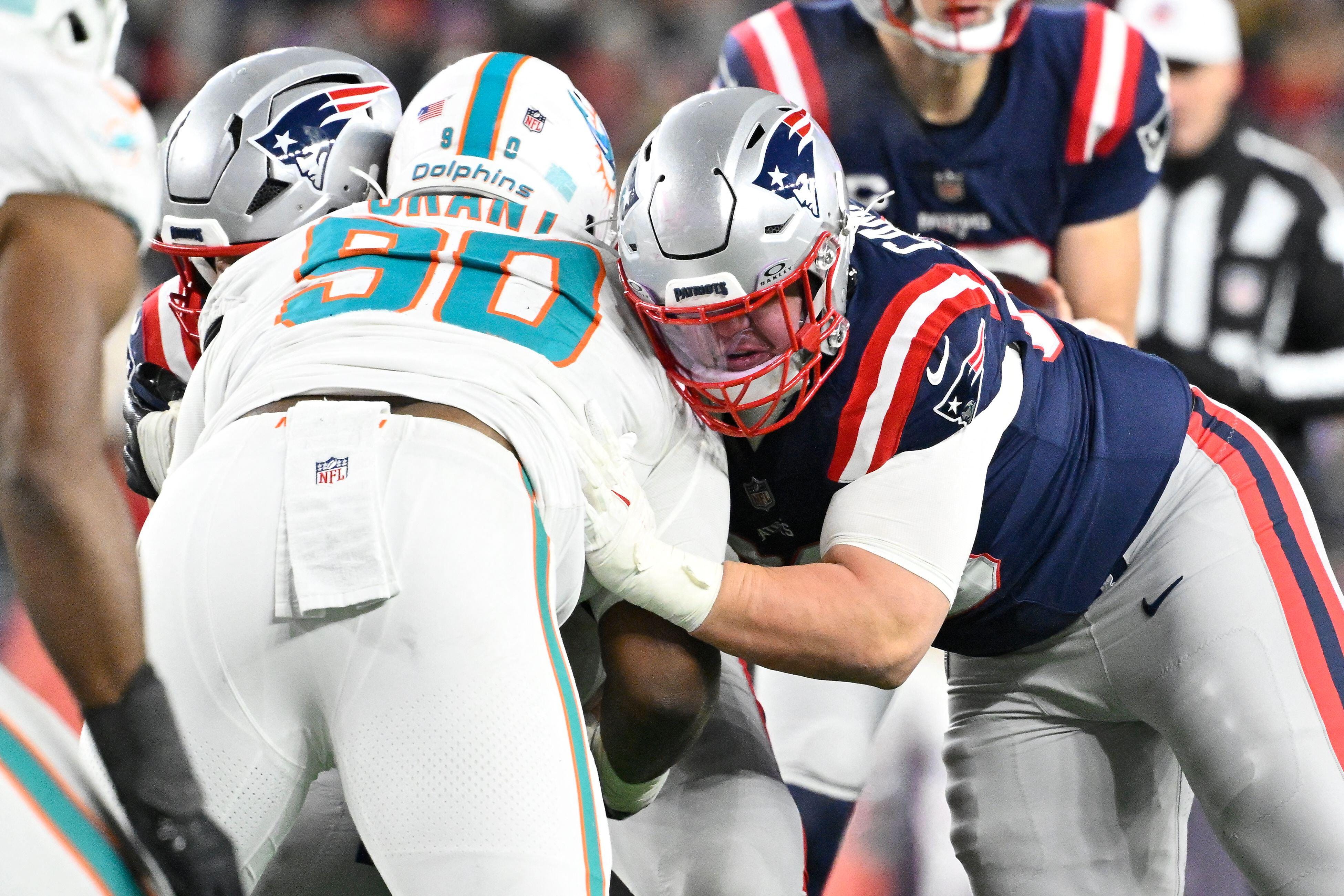
Objection, your honor: Prediction market operators including Kalshi and Polymarket should stop offering trades on categories especially vulnerable to manipulation, advance knowledge or reputational blowback, the NFL has warned.
In letters sent on Sunday, the league objected to markets tied to broadcaster comments, celebrity attendance, the draft, officiating and “inherently objectionable” markets such as player injuries and fan safety.
The league said the aims are around protecting game integrity and shielding players, coaches and officials from what it called unfair and unwanted allegations linked to gambling activity.
The NFL also singled out markets that can be influenced by one person, such as missed field goals, and markets that may be knowable before the public, including draft picks, signings and coaching changes.
A few months ago, NFL commissioner Roger Goodell said the league wouldn’t be getting involved in prediction markets and would wait and see “how things play out.”
A spirit which the old one couldn’t tame: Many of the league’s concerns mirror restrictions it already puts on traditional sportsbooks, particularly around officiating and easily manipulated in-game events.
But the letters went further, targeting “mention markets” and celebrity-attendance trades that are not standard sportsbook fare.
Kalshi reportedly handled millions of dollars on Super Bowl markets tied to what announcers said and which celebrities appeared.
NFL executive vice president Jeff Miller said the league wanted to swerve wagers built on inside information that could be shared before the wider market catches up.
“Some people are going to have that information ... that they can then share,” Miller told ESPN. “We’re trying to stay as far as we can from some of those sorts of inside information wagers that could exist in this space.”
Talkin’ all that jazz: Miller said the letters followed months of discussions with the Commodity Futures Trading Commission (CFTC), which grants federal protection to regulated prediction market entities.
The league does not yet have a formal information-sharing agreement with the regulator, but said it believes the commission is receptive to its concerns.
New CFTC chair Michael Selig said the agency would give substantial weight to leagues’ views on whether a proposed contract is readily susceptible to manipulation.
Selig continues to maintain that sports-event trading is lawful under federal oversight.
Field goal: In continuation of Goodell’s prior stance, the NFL is still to fully endorse the sector and claims it wants more guardrails before it would consider any partnership.
In 2023, the NFL, alongside the other professional sports leagues and several media outlets, announced the formation of the Coalition for Responsible Sports Betting Advertising, after it suspended five players for violating gambling policy.
Unlike the MLB (which has flip-flopped), the NHL, UFC and MLS have already entered deals with prediction market operators.
NHL commissioner Gary Bettman said last year that the alignment between sports betting and prediction markets gives the NHL more control and the ability to “take down any contracts that we don’t think are appropriate.”
I don’t believe our game is susceptible in the way that some others might be,” he said at the time. “You can’t really get away with that kind of cheating anymore.”
Polymarket said it welcomed engagement with leagues on integrity issues, while Kalshi declined to comment.
Washington sues Kalshi
On a sneak tip: Washington Attorney General Nick Brown has sued Kalshi, alleging the prediction market is violating state gambling and consumer-protection law by offering what the state describes as unlawful online betting.
The civil suit in King County Superior Court seeks to shut the federally regulated Kalshi down in Washington, recover money lost by state residents and impose civil penalties.
Brown said the prediction market operator has been “sneaking around Washington’s gambling laws” by offering wagers on sports, elections and other real-world events.
“Kalshi wants people betting on almost everything possible in life,” Brown said in a statement. “For Kalshi, every event, every tragedy is nothing more than a potential way for Americans to risk their fortunes.”
The complaint highlights a Kalshi advert in which one person tells another they “found a way to bet on the NFL even though we live in Washington,” using it to argue the company knew exactly what it was doing.
Same thing it took: Washington’s filing alleges Kalshi moved into sports in early 2025 and now offers spreads, totals and prop-style contracts on college and professional games that resemble sportsbook standards.
In Washington, online gambling is broadly banned and sports betting is legal only in person on tribal lands.
The complaint also said that Kalshi’s offerings extend far beyond sports, citing contracts tied to disease counts, political hearings, foreign leaders and “mention markets” based on words said on broadcasts.
Brown’s office also accused the company of targeting younger users, including people aged 18 to 21, using college influencers and, at one stage, attempting to recruit a 15-year-old influencer.
The state said Kalshi at one point described its own platform on Instagram as “kind of addicting.”
State officials argued such platforms increase the risk of problem gambling, particularly when easily accessible online.
Someone I’ve never met: Kalshi said Brown has mischaracterized its business, pushing back on suggestions that it offers “war markets” and arguing that the suit was filed before a planned meeting with the company.
It argues (again) that it is a designated contract market overseen by the Commodity Futures Trading Commission, and event contracts fall under exclusive federal jurisdiction rather than state gambling law.
Using the argument elsewhere, Kalshi has won temporary protection in some federal cases, but state regulators and some courts insist that federal derivatives oversight does not cancel state gambling rules.
Kalshi is facing more than 20 civil suits, while Arizona earlier this month became the first state to bring criminal charges against the company.
A bipartisan Senate bill introduced this week would ban sports betting on prediction market platforms, opening a legislative track alongside the state cases.
Washington is one of the toughest gambling states, where internet gambling has long been prohibited and legal betting remains tightly confined.

GuardDog, powered by Underdog, is a pioneering investment fund dedicated to fostering innovation in responsible gaming.
GuardDog supports and accelerates early-stage startups focused on building new and creative solutions to address problem gaming and further responsible gaming.
Ready to be one of the underdogs of responsible gaming?
Visit to apply: https://underdogfantasy.com/guarddog
Polymarket’s Fed probe
Inside track: Federal prosecutors in Manhattan are exploring whether lucrative bets placed on prediction markets have violated insider trading and other laws, CNN has reported.
Senior officials from the Securities and Commodities Fraud unit of the US Attorney’s Office for the Southern District of New York recently met with representatives of Polymarket to discuss how existing laws could be applied to potential misconduct in the fast-growing industry.
Trades under scrutiny include bets on the timing of the capture of Venezuelan leader Nicolás Maduro, as well as wagers on the war with Iran and outcomes of popular television series.
The US Attorney’s office confirmed the meetings, stating that insider trading, anti-money laundering and anti-fraud laws all apply to prediction market activity.
No companies have been accused of wrongdoing. Polymarket said it “proactively works with regulators and law enforcement.”
+More
Texas lawmakers will examine prediction markets ahead of the 2027 legislative session after Lt. Gov. Dan Patrick directed the Senate’s State Affairs Committee to study their growth. The review will focus on whether platforms exploit federal oversight to bypass state gambling bans, particularly around election and sports contracts. Lawmakers will assess links between derivatives markets and prohibited gambling, with potential recommendations aimed at closing “loopholes” and protecting election integrity and sports regulation.
Norway’s government has outlined a four-year plan to tackle underage gambling and problem gambling, focusing heavily on expanding public information and prevention efforts. The program also includes wider access to treatment, workshops for young people on gambling-like activities and a push for more evidence-based interventions.
Nepal has ordered an immediate shutdown of its online gaming sector, with authorities blocking all betting apps and websites within 24 hours as part of a broader government reform agenda. The directive, issued by the Ministry of Communications and Information Technology, was enforced via the telecom regulator and internet service providers. All forms of gambling are already illegal in Nepal, but officials cited rising online betting activity, particularly among younger users, as a key concern.
Cali insider move
No go: California governor and likely Democratic presidential aspirant Gavin Newsom signed an executive order last Friday, effective immediately, prohibiting public officials and state decision-makers from using inside information to profit via prediction markets.
The order also bars appointees and officials from using non-public information to benefit connected parties, including children, spouses and business partners.
“Public service should not be a get-rich-quick scheme,” Newsom said in a statement.
Drain the swamp: Newsom framed it as a direct rebuke of what he characterized as ethical failures in Washington, claiming that those in the Trump administration’s orbit are exploiting confidential information for personal gain.
“At a time when Trump’s Washington is riddled with ethical failures and insider profiteering, California is drawing a bright line: If you serve the public as a political appointee, you serve the public – period,” he said.
It’s a scandal: At the federal level, Democratic lawmakers recently introduced the BETS OFF Act, which would ban prediction markets focused on war and other specific topics. It comes amid claims that individuals close to the Trump administration have profited from such markets.
Events surrounding the January capture of Venezuelan leader Nicolás Maduro saw a trader make over $430,000 in profits on Polymarket, with the suspicious timing of trades – placed just hours before the intervention – raising serious insider-trading allegations.
Separately, two Israelis were arrested for allegedly trading on Polymarket using inside information about military secrets.
Also, a video editor for MrBeast was fined and suspended by prediction platform Kalshi, and subsequently dismissed, for using insider knowledge to trade on markets relating to the YouTuber’s content.
Prophylactic: The spate of incidents has prompted the major platforms to respond. Polymarket has strengthened its market integrity rules while Kalshi has introduced preemptive screening to prevent politicians from trading on associated markets.

Increase Operator Margins with EDGE Boost Today!
EDGE Boost is the first dedicated bank account for bettors.
Increase Cash Access: On/Offline with $250k/day debit limits
No Integration or Costs: Compatible today with all operators via VISA debit rails
Incremental Non-Gaming Revenue: Up to 1% operator rebate on transactions
Lower Costs: Increase debit throughput to reduce costs against ACH/Wallets
Eliminate Chargebacks and Disputes
Eliminate Debit Declines
Built-in Responsible Gaming tools
To learn more, contact Matthew Cullen, chief strategy officer on Matthew@edgemarkets.io
NCAA IP case
Block off: A federal judge has denied an attempt by the NCAA to immediately block DraftKings from using March Madness and other tournament-related trademarks, marking an early procedural win for the sportsbook in a closely watched legal dispute over gambling and IP.
US District Judge Tanya Walton Pratt rejected the NCAA’s request for a temporary restraining order.
The judge ruled that the organization had failed to demonstrate “irreparable harm” from DraftKings’ continued use of terms such as ‘March Madness’, ‘Final Four’, ‘Elite Eight’ and ‘Sweet Sixteen’.
While the judge acknowledged the NCAA may still have a viable trademark infringement case, she said the high bar required for emergency relief had not been met.
False alarm: The NCAA filed its lawsuit in the Southern District of Indiana in March, arguing that DraftKings’ marketing creates the false impression of an official relationship between the governing body and a gambling operator.
Associations with betting have long been resisted by the NCAA on integrity and athlete welfare grounds.
The organization also warned that such usage risks reputational damage and could expose student-athletes to increased harassment linked to betting activity.
DraftKings countered that its use of the terminology is descriptive rather than trademark usage, arguing the phrases are part of the “universally recognized” lexicon used by fans, media and sportsbooks to identify the NCAA basketball tournament.
The company also noted it has used the terms for several years without prior legal challenge.
It’s not over until I say so: Importantly, the ruling does not resolve the underlying case. Judge Pratt indicated the NCAA could still pursue a preliminary or permanent injunction following further discovery, leaving unsettled the broader legal question as to whether sportsbook use of iconic sports trademarks constitutes infringement.
Calendar
Apr 28-29: Ethical Gambling Forum 2026, Leeds
May 26-28: Gambling & Risk Taking Conference, Las Vegas
Jun 4: Gaming in Holland, Amsterdam

Elevate Your Data Security with Mindway AI
Mindway AI proudly announces SOC 2 Type 2 certification, reinforcing our robust security credentials alongside ISO 27001. We’re committed to surpassing industry standards in player protection, ensuring your data’s security, availability, and confidentiality.
Ready to enhance your player protection systems securely? Learn more
here.
An +More Media publication.
For sponsorship inquiries email scott@andmore.media.
