

School’s out
NCAA wants state regulators to nix prediction markets

College association claims prediction markets are an integrity danger.
Nevada regulator hits Polymarket with its first lawsuit.
In +More: NFL and PGA bars players from predictions endorsements.
Mal-teaser: European court throws shade on gray markets defense.
Yaspa is an award-winning fintech delivering personal intelligence through instant payments. Powered by open banking and AI, Yaspa’s Intelligent Payments combine Pay by Bank transactions with verified customer insights to protect players and power safer gambling. The platform also provides a full suite of payment and account verification services, using pan-operator financial insights and bank-grade security to reduce friction and fraud, strengthen compliance and improve payments performance. Yaspa operates across the UK, Europe and the US, and is regulated by the UK’s Financial Conduct Authority.
Learn more at www.yaspa.com
College material
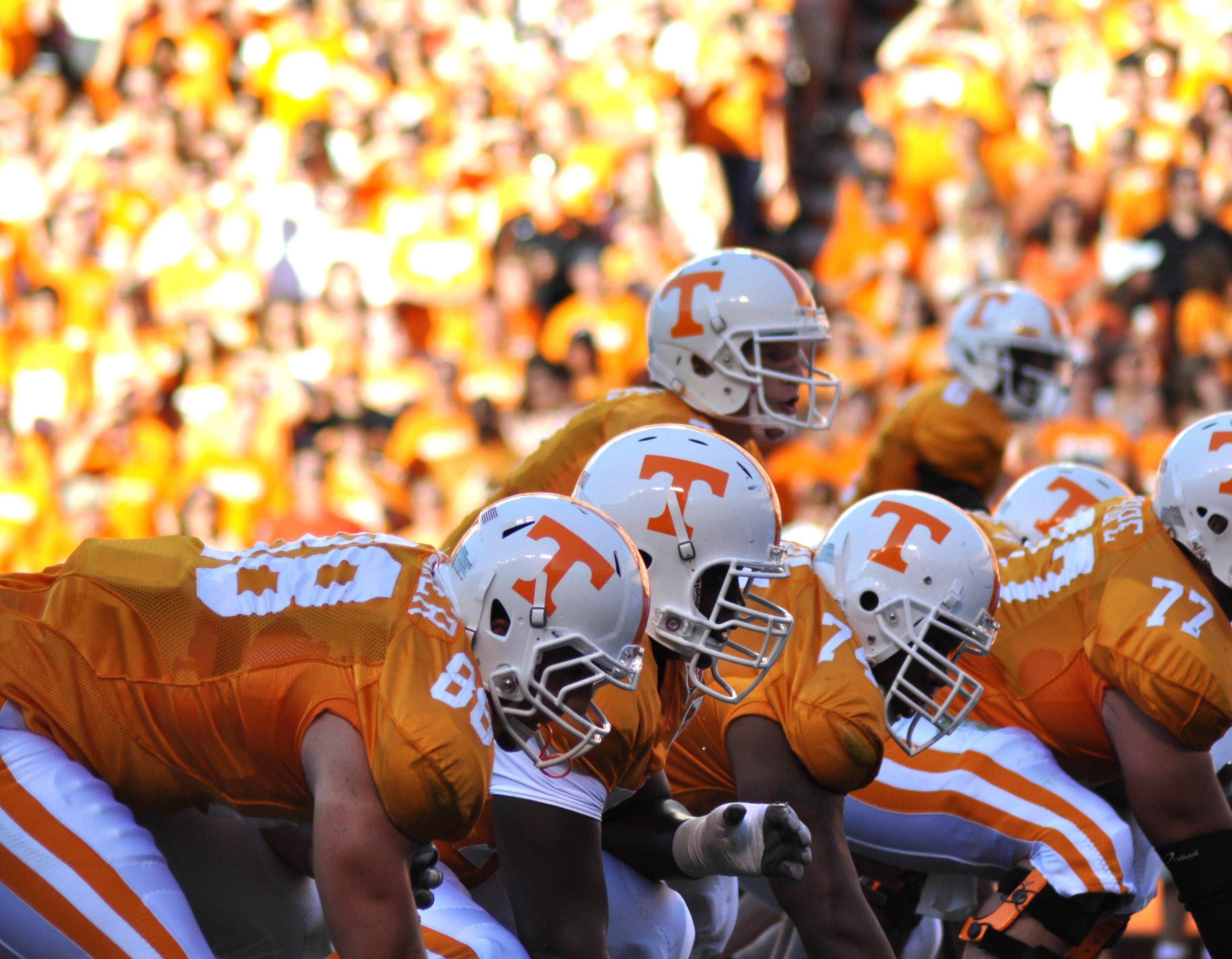
Schooled: The NCAA wants legislators to stop prediction markets offering trades on college sports, arguing the platforms are too close to traditional sports betting.
Stranger danger: In a letter to the chair of the Commodity Futures Trading Commission, NCAA president Charlie Baker said the explosive growth of Kalshi, Polymarket, Crypto.com and their ilk was a danger to student-athletes and sports integrity.
“I implore you to suspend collegiate sport prediction markets until a more robust system with appropriate safeguards is in place,” Baker wrote.
“Just as we need Congress to stabilize eligibility, we need federal regulators to stabilize these markets,” he said. “The answer cannot be the status quo. We need one set of fair, transparent standards.”
The platforms are offering contracts based on moneylines and point spreads, and are beginning to introduce parlays.
The gang’s all here: Baker’s letter was sent on the heels of a two-pronged attack by the American Gaming Association and Indian Gaming Association.
The duo want Congress to step in given the lack of regulatory guardrails around prediction markets in comparison to licensed gambling operators.
For Baker, the risk to athletes and consumers includes age thresholds, the lack of advertising restrictions and minimal integrity monitoring safeguards in place in regard to spot rigging.
Last year, harassment of college athletes by gamblers made national headlines.
“It’s clear that these new offerings are having an impact on sports-bettor behavior,” Truist analyst Barry Jonas wrote in a note to clients.
Come find yourself: Kalshi claims to monitor for integrity concerns, however Baker said there was a need for “heightened levels of review” that don’t currently exist in prediction markets, such as geolocation tracking.
Prediction market platforms don’t have to share data with national governing bodies like sportsbooks do, Baker said, echoing a letter he sent to Kalshi last year.
A day after the letter was sent, US prosecutors unveiled charges against 26 individuals accused of running an international bribery and point-shaving plot.
NCAA Division I men’s basketball games and contests in the Chinese Basketball Association were flagged as part of the scheme.
Prosecutors said the illegal activity began overseas in 2022 before enveloping US college basketball, involving more than 39 players across at least 17 NCAA programmes and dozens of manipulated games.
Drop the prop
No props: Meanwhile, a series of federal indictments tied to college basketball integrity has led NCAA president Charlie Baker to again demand state regulators ban player prop bets and other “high-risk” markets the association believes are being manipulated.
The NCAA said its enforcement staff has opened investigations into potential manipulation involving about 40 student-athletes across 20 schools in the past year.
It said many of those cases involve individual player prop bets and first-half under spread markets.
Eleven student-athletes from seven schools are believed to have bet on their own performances, shared information with known bettors, and or engaged in manipulation to cash bets, the association for college athletes said.
Baker said the federal arrests announced on January 15 included individuals the NCAA had already identified through its own work.
The NCAA is urging states to amend laws and regulations to remove bet types it says create the highest integrity and welfare risks.
Bring me the menu: The NCAA wants tougher sanctions for harassment and a formal role in how betting markets are set, Baker said, asking states to impose stricter accountability for anyone who harasses student-athletes or attempts to influence betting behavior.
The NCAA wants mechanisms giving it and other leagues a “seat at the table” with regulators and operators before certain bet types are offered.
The letter argued player props increase three specific risks: harassment of named athletes, solicitation of insider information, and spot-fixing where a portion of a contest is manipulated.
Baker also called out first-half under spreads as a manipulation target and asked commissions to review and remove other high-risk game prop markets.
More than half of sports-betting states and Washington, DC still allow college prop bets in some form, though Louisiana, Maryland, Ohio and Vermont have moved to ban them since 2024.

Increase Operator Margins with EDGE Boost Today!
EDGE Boost is the first dedicated bank account for bettors.
Increase Cash Access: On/Offline with $250k/day debit limits
No Integration or Costs: Compatible today with all operators via VISA debit rails
Incremental Non-Gaming Revenue: Up to 1% operator rebate on transactions
Lower Costs: Increase debit throughput to reduce costs against ACH/Wallets
Eliminate Chargebacks and Disputes
Eliminate Debit Declines
Built-in Responsible Gaming tools
To learn more, contact Matthew Cullen, chief strategy officer on Matthew@edgemarkets.io
Poly-trouble
Nimby: Polymarket has been hit with its first lawsuit from the Nevada Gaming Control Board (NGCB), escalating the state’s pushback against sports event contracts offered by prediction market platforms.
Nevada regulators filed a civil enforcement action in Carson City seeking a court declaration and injunction to stop Polymarket from offering what the NGCB said amounts to unlicensed wagering to Nevada residents via its app.
In its complaint, the NGCB argues that certain event contracts, particularly those tied to sporting outcomes, constitute wagering under Nevada law and therefore require proper state gaming licensure.
The regulator said Polymarket’s activities violate multiple provisions of Nevada’s gaming statutes.
It reiterated that Nevada’s policy framework is designed to ensure gambling is “licensed, controlled and assisted” to protect the public interest.
+More
No endorsement: NFL and PGA Tour players remain barred from endorsing prediction market platforms such as Kalshi and Polymarket, despite LIV Golf star Bryson DeChambeau striking a deal with Kalshi, according to Front Office Sports. The NFL Players Association said the league treats prediction markets as “gambling entities,” meaning players cannot serve as endorsers or brand ambassadors under its gambling policy. It highlights the widening split across sports: while the NHL has partnered with both Kalshi and Polymarket (and teams such as the Blackhawks and Rangers have struck separate deals), other leagues remain cautious.
Oklahoma lawmakers are preparing to revive sports-betting legislation in the February 2026 session after 2025 proposals stalled, with the same unresolved friction between Gov. Kevin Stitt and tribal gaming interests over compact structure and exclusivity likely to shape any bill’s path.
Illinois state Rep. Kam Buckner has filed HB4437, which would let the Illinois Gaming Board extend Bally’s temporary Chicago casino operations at Medinah Temple by up to 18 months, with up to two additional three-month extensions, as construction continues on the permanent River West site.
Utah state Rep. Joseph Elison has filed HB0243 to tighten the state’s gambling ban by explicitly defining proposition bets – including in-game performance wagers – as illegal gambling, citing concerns that some platforms may still be enabling prop-style betting access for Utah users.
Nebraska: WarHorse Gaming, the gaming arm of the Ho-Chunk Nation, is teaming up with the Sports Betting Alliance to push for online sports-betting legalization in Nebraska. The group will launch a petition for a constitutional amendment allowing racetrack operators to partner with online sportsbooks, taxed at 20%. The campaign needs 125,000+ signatures by early July to reach a November referendum.
Finland: President Alexander Stubb has approved legislation introducing a competitive licensing system from July 2027. The reforms dismantle Veikkaus’ online exclusivity, with the state operator set to compete as a private operator under the new framework while retaining exclusive rights over land-based casinos, slots and lottery products, including instant tickets. Operator applications open March 1.
New joiner: The European Gaming and Betting Association (EGBA) has welcomed Tipico as its newest member, strengthening the trade body’s representation in Germany and other German-speaking markets. Tipico will participate in EGBA working groups and initiatives focused on responsible advertising, safer gambling and anti-money laundering. Tipico said the move supports its commitment to player protection, regulatory excellence and combating Europe’s online gambling black market.
India’s government blocked access to 242 betting and gambling websites on January 16, officials said, taking the total number of illegal platforms blocked to about 7,800. Authorities said the action is intended to protect users, particularly younger people, and curb financial and social harm linked to unregulated online gambling.
Euro court move
Malt risky: A fresh ruling from the Court of Justice of the European Union (CJEU) could significantly weaken Malta’s long-standing model for online gambling operators serving EU customers without local licenses.
In a judgment issued last week, the court said a player can generally rely on the law of their country of residence when suing directors of a foreign gambling provider for losses incurred through unlicensed activity.
Brace, brace, brace: The case involved an Austrian player seeking to recover losses from Titanium Brace Marketing, a Maltese-licensed operator that allegedly offered online games of chance to Austrian consumers without holding an Austrian licence.
The player argued the gambling contract was null and void under Austrian law and that the company’s directors were personally liable.
Crucially, the CJEU confirmed that under the EU’s Rome II Regulation, tort claims like these are typically governed by the law of the country where the damage occurs.
In the context of online gambling losses, the court found that damage is deemed to occur where the player is habitually resident, in this instance Austria, meaning Austrian law would generally apply.
I want my money back: That finding strengthens the position of consumers pursuing refund claims in stricter licensing jurisdictions, such as Austria and Germany, and increases legal exposure for executives and directors behind cross-border operations.
It also challenges the legal architecture Malta has used to defend local licensees from enforcement of foreign judgments.
While Rome II allows an exception where a tort is “manifestly more closely connected” to another country, the court’s default position clearly favors the customer’s home jurisdiction for disputes rooted in unlicensed provision.

Responsible play is no longer optional. At ICE Barcelona 2026, Mindway AI will showcase its latest player protection technology, real-world implementations across multiple markets, and a unified approach to responsible gambling and AML.
📍 Visit Mindway AI at the Sustainable Gambling Zone, Booth SG3, to explore how technology and regulation can work side by side to strengthen player protection worldwide.
Learn more here.
Opening time
Moving forward: Alberta’s gambling regulator, the Alberta Gaming, Liquor and Cannabis Commission (AGLC) has published its regulatory standards, a major step toward launching a competitive, regulated online gaming market beyond the province’s monopoly platform, PlayAlberta.
The framework lays out rules for operators and suppliers covering licensing, technical compliance, game integrity, advertising standards, AML controls and consumer protection.
Pillars of RG wisdom: A core focus is responsible gambling, including requirements for tools such as player limits, cooling-off options and a province-wide self-exclusion mechanism designed to apply across all approved online gambling sites.
The standards also emphasize preventing underage gambling through age and identity verification, alongside location checks to ensure players are physically in Alberta.
Marketing and promotional activity is another key pillar, with restrictions intended to limit harmful or misleading advertising practices and reduce exposure among minors and vulnerable customers.
The rules also set expectations around security, data protection and reporting, with operators expected to meet defined compliance and audit requirements.
Structural shift: The publication reflects Alberta’s wider policy goal of shifting play away from gray-market sites and into a regulated environment with enforceable protections and oversight.
Alberta has been working toward an Ontario-style model, with AGLC acting as the regulator and a separate provincial body overseeing commercial relationships with private operators.
Calendar
Jan 20: Gaming in Holland lunch @ ICE
Feb 19: SBC Digital Compliance Technology, online
Apr 28-29: Ethical Gambling Forum 2026, Leeds
May 26-28: Gambling & Risk Taking Conference, Las Vegas
Jun 4: Gaming in Holland, Amsterdam

GuardDog, powered by Underdog, is a pioneering investment fund dedicated to fostering innovation in responsible gaming.
GuardDog supports and accelerates early-stage startups focused on building new and creative solutions to address problem gaming and further responsible gaming.
Ready to be one of the underdogs of responsible gaming?
Visit to apply: https://underdogfantasy.com/guarddog
An +More Media publication.
For sponsorship inquiries email scott@andmore.media.

Solid piece on the regulatory gap. The predicton market vs licensed gambling distinction is interestin because both are essentially wagering but one dodges most consumer protections under a 'market' label. Nevada's lawsuit feels like an inevitble collision given how these platforms have expanded beyond political outcomes into pure sports betting territory.